
Define what you need to know
Risk varies with the service, the data you share, device security and how deliberately you handle payments and contact. Begin with the visible room, account and access explanation before entering personal details. On are cam sites safe? risks and safer browsing habits, separate what is available now from each optional paid action. Money, eligibility and data questions belong in current official help because platform rules can change. Older summaries may provide context, but they should not settle a decision being made today.
Check the evidence in front of you
Does the platform publish understandable policies, protect sign-in, label charges and offer accessible blocking, reporting and support? Repeat the same check on your usual phone and on a larger screen if you use both. While reviewing are cam sites safe? risks and safer browsing habits, labels, room status and important controls should remain understandable in either setting. Look for evidence you can verify rather than an unexplained score. Missing information is a reason to pause, not an invitation to guess.
Protect privacy and boundaries
For are cam sites safe? risks and safer browsing habits, decide in advance what information, time and money you are prepared to involve. Use a separate identity where appropriate, protect the account and locate reporting controls before they are needed. Keep this question close: does the platform publish understandable policies, protect sign-in, label charges and offer accessible blocking, reporting and support? Every performer is an adult at work with individual rules, and payment never permits ignoring them. Keep your own limits simple enough to follow when a live conversation feels urgent.
Put the advice into practice
Cam sites carry account, privacy, payment and interpersonal risks that no checklist can remove completely. For are cam sites safe? risks and safer browsing habits, turn that principle into three requirements and two preferences. A large directory, polished image or urgent prompt should not replace them. Verify any unclear payment, privacy or account rule directly with the service. Continue with are cam sites safe? risks and safer browsing habits only when the reasoning still makes sense after the first impression has passed.
Continue when you need more detail
Continue with the detailed privacy guide and use the beginner checklist before signing up. Each resource connected with are cam sites safe? risks and safer browsing habits has a different job and none certifies a service. Use the relevant guide alongside current terms, and leave room for different adult preferences. Stop when the available evidence does not support the identity, account or spending choice being requested.
Before you act
Cam sites carry account, privacy, payment and interpersonal risks that no checklist can remove completely. Keep that point visible when the page, room or application asks for a decision. Does the platform publish understandable policies, protect sign-in, label charges and offer accessible blocking, reporting and support? Write down the answer in plain language and note what remains unverified. Risk varies with the service, the data you share, device security and how deliberately you handle payments and contact. That context should still make sense on the device you normally use and after any promotional prompt has passed. Continue with the detailed privacy guide and use the beginner checklist before signing up. Open only the resource that answers the next unresolved question. A sound result may be to browse without registering, delay a purchase, choose a different room or decide that the opportunity is not right for you.
Separate platform risk from personal exposure
A service can publish useful controls while an individual account remains exposed through password reuse, revealing chat or a shared device. Assess both layers. Verify the domain, privacy notice, support route and account settings, then reduce the information connected to the profile. Use a unique password and protected recovery email. Keep workplace, home area, phone number, daily schedule and identifying images out of chat. These steps reduce avoidable linkage. They do not turn an adult platform into a risk-free or anonymous environment.
Payment and impersonation warning signs
Pause when someone asks for direct payment, gift cards, cryptocurrency, a one-time code or identity documents through chat. Do not follow a support link sent by another user. Reach billing and account help from a trusted bookmark or the official domain. Read currency, credit quantity, renewal language and refund support before confirming a purchase. Review statements and respond quickly to unfamiliar charges. Urgent threats, impossible rewards and requests to install remote-access software are reasons to end the interaction and report it.
A safer exit plan
Before becoming active, locate block, report, notification, sign-out and account-closing controls. If something goes wrong, preserve only the evidence needed for a factual report, protect the recovery email, change exposed credentials and end other sessions. Contact the payment provider through an established channel when a transaction is unauthorised. Do not redistribute intimate material while documenting abuse. Account deactivation and deletion may have different effects, so confirm the current policy. Knowing how to leave is part of assessing a platform, not a task to postpone until a problem occurs.
Device privacy and realistic limits
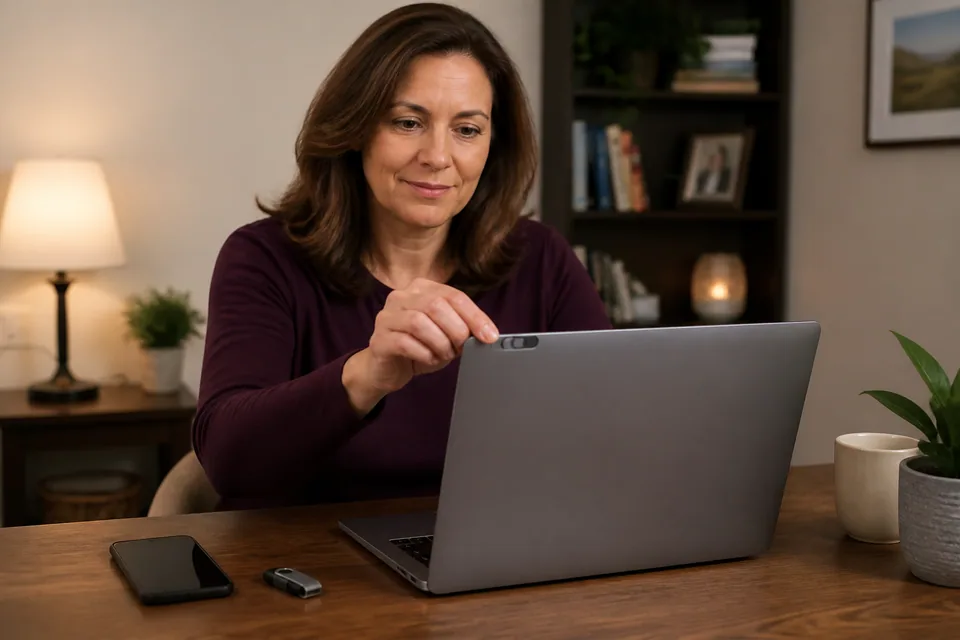
Private-browsing mode can reduce local history, but it does not hide activity from a signed-in account, the platform, a network administrator or a payment provider. Review saved passwords, autofill, notification previews, camera permissions and synced browser tabs. Use a separate device profile on shared computers when possible. A VPN changes part of the network path but does not repair password reuse, erase account records or guarantee anonymity. Treat any tool promising complete invisibility as a warning sign. The safer goal is controlled exposure, current software and a clear response plan.


